

Oracle Database Course
Oracle Database
The Oracle Database Course is designed to help learners understand relational databases, SQL, PL/SQL, and database administration through practical training. The course builds strong skills in database design, management, and performance optimization used in enterprise systems.
Learners gain hands-on experience in Oracle SQL programming, user management, security, backup and recovery, and query optimization. The course also introduces Linux fundamentals for database operations.
By the end of the course, students will be able to manage Oracle databases, write efficient SQL queries, and handle real-world database administration tasks.

WHY CHOOSE THIS PROGRAM
Industry-focused Oracle database curriculum
Covers essential Oracle database concepts including SQL queries, database design, data management, and performance optimization used in modern enterprise systems.
Practical learning with real database scenarios
Work on hands-on database exercises and real-world data management tasks to understand how Oracle databases are used in professional environments.
Instructor-led Oracle database sessions
Includes guided sessions where instructors demonstrate SQL programming, database administration tasks, query optimization, and troubleshooting techniques.
Hands-on Oracle database development
Gain practical experience using Oracle SQL, PL/SQL, database tools, and administration utilities to build and manage reliable database systems.
CAREERS IN ORACLE
600K+
jobs in India (2026)
$90B+
global market value
85% Enterprises
use relational databases
Up to ₹16 LPA
avg salary
After completing the course, learners can pursue roles such as:
Oracle Database Administrator (DBA)
Oracle SQL Developer
Database Support Engineer
Application Database Analyst
Database Operations Engineer
These roles are available in IT companies, banking, healthcare systems, enterprise applications, and data-driven organizations.
TRAINING CURRICULUM
Overview of Databases: RDBMS vs NoSQL
Importance of Oracle Database in Industry
Oracle Database Architecture: Instance & Database
Installation and Setup of Oracle Database (Windows/Linux)
SQL*Plus and SQL Developer Introduction
Database Objects: Tables, Views, Indexes, Sequences
Data Types in Oracle
Basic DML Commands: SELECT, INSERT, UPDATE, DELETE
Filtering Data: WHERE, ORDER BY, DISTINCT
Using SQL*Plus & Oracle SQL Developer
Advanced Joins: INNER, OUTER, CROSS, and Self Joins
Subqueries & Nested Queries: Correlated and non-correlated
Set Operations: UNION, INTERSECT, MINUS
Aggregations & Grouping: GROUP BY, HAVING, SUM, AVG, COUNT
Views & Indexes: Creating views, materialized views, and index optimization
Transactions & Data Integrity: COMMIT, ROLLBACK, constraints, and basic query optimization
Linux Basics for DBAs: Commands & Navigation
File Permissions & Ownership
Managing Users and Groups
Linux File System Structure for Oracle
Basic Shell Scripting for DB Automation
Creating & Managing Users, Roles, and Privileges
Tablespace Management: Creating, Altering, and Dropping
Backup and Recovery Concepts (RMAN Basics)
Monitoring Database Health
Database Security Best Practices
Objective: Apply SQL queries and Linux commands to manage a sample database
Tasks:
Create tables, insert data, and perform queries in Oracle
Automate backup, restore, and user management tasks with Linux scripts
Generate reports from SQL queries
SQL Query Optimization & Execution Plans
Indexing Strategies for Performance
Partitioning & Data Archival
Managing Database Alerts & Logs
Advanced Security: Roles, Profiles, and Audit
Connecting Oracle with Applications (Java/Python)
Using SQL Loader for Data Import
Integration with BI Tools (Power BI/Tableau)
Database APIs and Drivers
Objective: Implement a full-fledged database solution for a real-world scenario
Tasks:
Design a database for Sales, HR, Banking, or Hospital Management
Implement tables, relationships, and constraints
Automate routine DBA tasks with Linux scripts
Optimize queries and generate reports
Final presentation and documentation of the project
CAREER SUPPORT
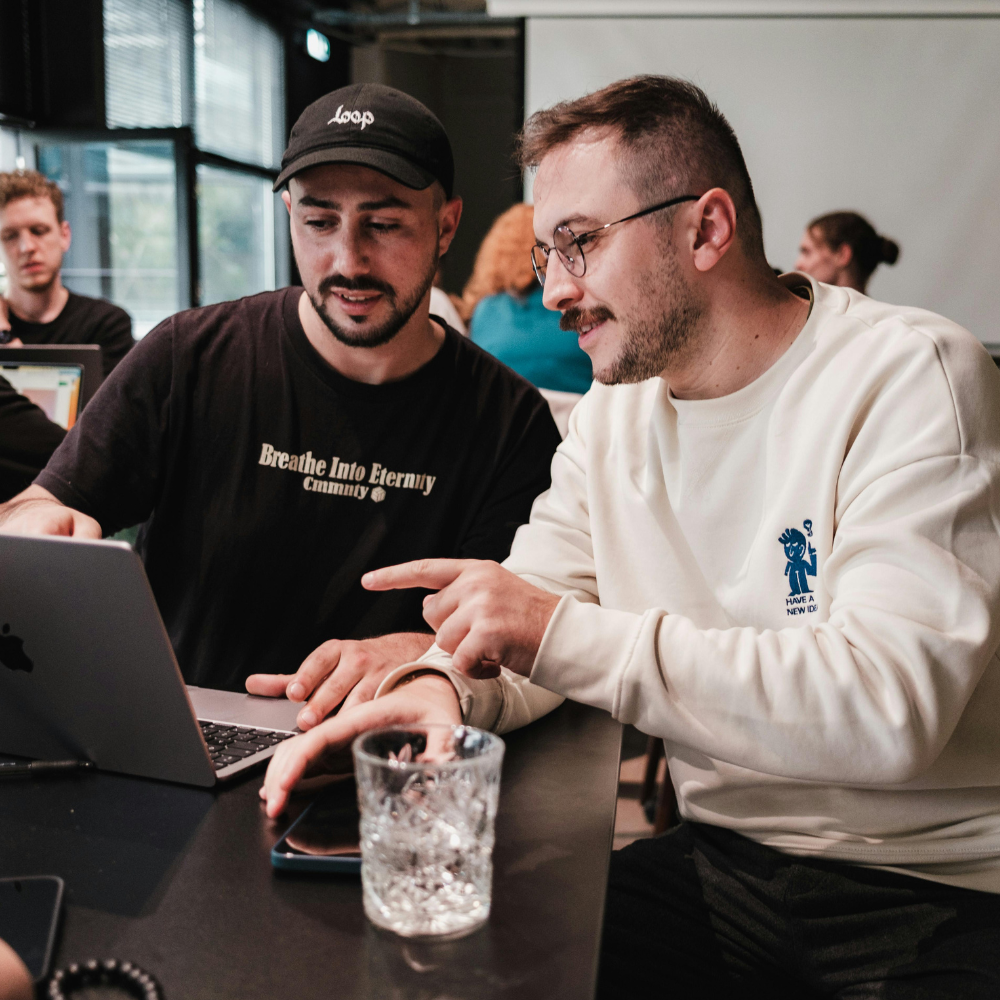
1:1 mentorship from industry experts
Get 1:1 career mentorship from our industry experts to prepare for jobs in AI and ML

Interview prep with experts
Participate in mock interviews and access our tips & hacks on the latest interview questions of top companies

Resume & profile review
Get your resume/cv and LinkedIn profile reviewed by our experts to highlight your AI & ML skills & projects

Access to RagatechSource Job Board
Apply directly to top opportunities from leading companies with our Job Board
DURATION
Course Length: 6 Months
Session Time: Up to 8 hours per day
Includes: Recorded sessions for revision
WHO CAN JOIN
Students interested in database administration careers
Developers and analysts wanting strong SQL skills
IT professionals aiming to become Oracle DBAs
FREQUENTLY ASKED QUESTIONS (FAQ's)
This course covers Oracle SQL, PL/SQL, database architecture, user and security management, backup and recovery concepts, performance tuning basics, and Linux integration used in enterprise database environments.
The course is suitable for IT professionals, software developers, data analysts, and graduates who want to build practical skills in Oracle database management and administration
No prior Oracle experience is required. Basic knowledge of programming and computer fundamentals is sufficient to start the course.
The training is highly practical. Learners work on live Oracle environments, hands-on labs, mini projects, and a real-world final project.
Yes. The program includes core Oracle DBA training topics such as user management, tablespaces, backup and recovery concepts, and database security.
Yes. Learners receive a course completion certificate from Raga Tech Source after successfully completing the program.
Yes. The course structure is designed to support working professionals through structured sessions and practical learning.
Raga Tech Source offers structured Oracle Database training with hands-on labs, real-world projects, and industry-relevant DBA skills.